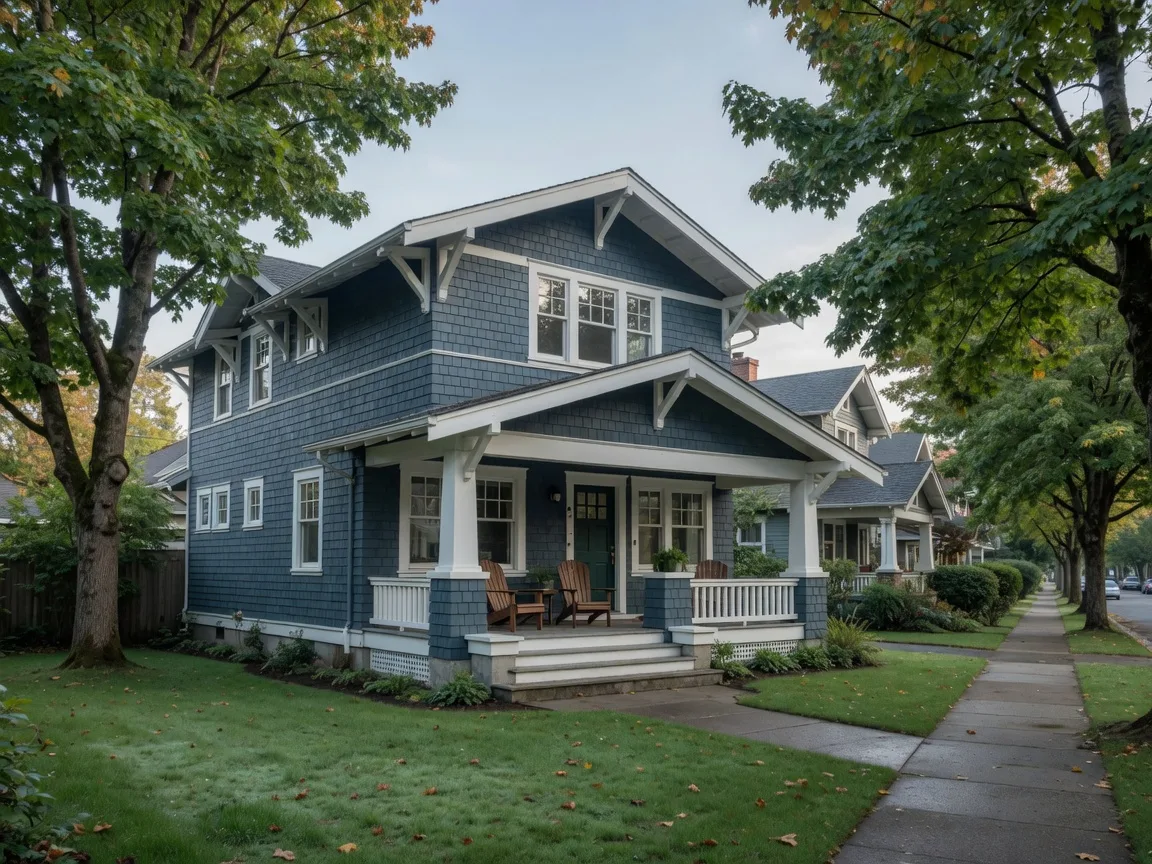
No number in a home sale is more important than the list price, and no number is more emotional. Paul's approach is the same for a $400,000 starter home and a $1.5 million estate: build the price from data, then explain the strategy so the seller makes the final call with confidence.
The comparable sale analysis
The core of pricing is a set of comparables: recently sold homes in your area that are similar in size, condition, and age. Adjust for differences in lot, updates, layout, and location. Sold prices matter more than list prices, because a list price is only a suggestion.
Supply and demand set the pace
The balance of inventory decides how much room the market gives you. In the Treasure Valley, lean supply has pushed most of the power toward sellers, and pricing slightly below the top of the range often triggers competition. In Portland's cooler market, the comparable number is closer to the final number.
Why overpricing costs more than it gains
An overpriced home trades the strongest marketing window for hope. Buyers who see it in week one compare it against better options. By week three, the property is negotiating from weakness. A price supported by data, on the other hand, produces showings, offers, and leverage.
Pricing is a plan, not a verdict
Paul revisits the price with real showing feedback every two weeks, adjusting while there is still time to act. If you want to see the math for your own home, request the free value review and Paul will walk you through the comparable sales personally.

Written by Paul Knighton
Paul is an Oregon Principal Broker and Idaho Associate Broker with MORE Realty, serving buyers and sellers across the Portland Metro and the Treasure Valley. He answers every inquiry himself.
More about Paul